From Paper Process to Enterprise Learning Platform
Enterprise Workflow Automation & Learning Analytics
14,000+ Stakeholders
Learners, faculty, administrators
110,000+ Datapoints/year
15-20% Leaner Program
Staged Digital Workflow
LMS-embedded, tracked, analyzed
Eliminated by principled negotiation
8 stages, dashboarded
The Challenge
A decade-old, fully paper-based governance process meant zero visibility into where proposals sat, how long reviews took, or which programs overlapped. Leadership suspected significant redundancy ahead of an external regulatory review — but had no data to confirm it.
The Solution
Designed and built a centralized digital platform migrating the entire paper workflow into an 8-stage tracked pipeline, giving authors, reviewers, and executives real-time visibility into every proposal's status
Layered in a semantic data architecture that automatically rolled module-level learning data up into enterprise dashboards — the first time leadership had real analytics on program performance
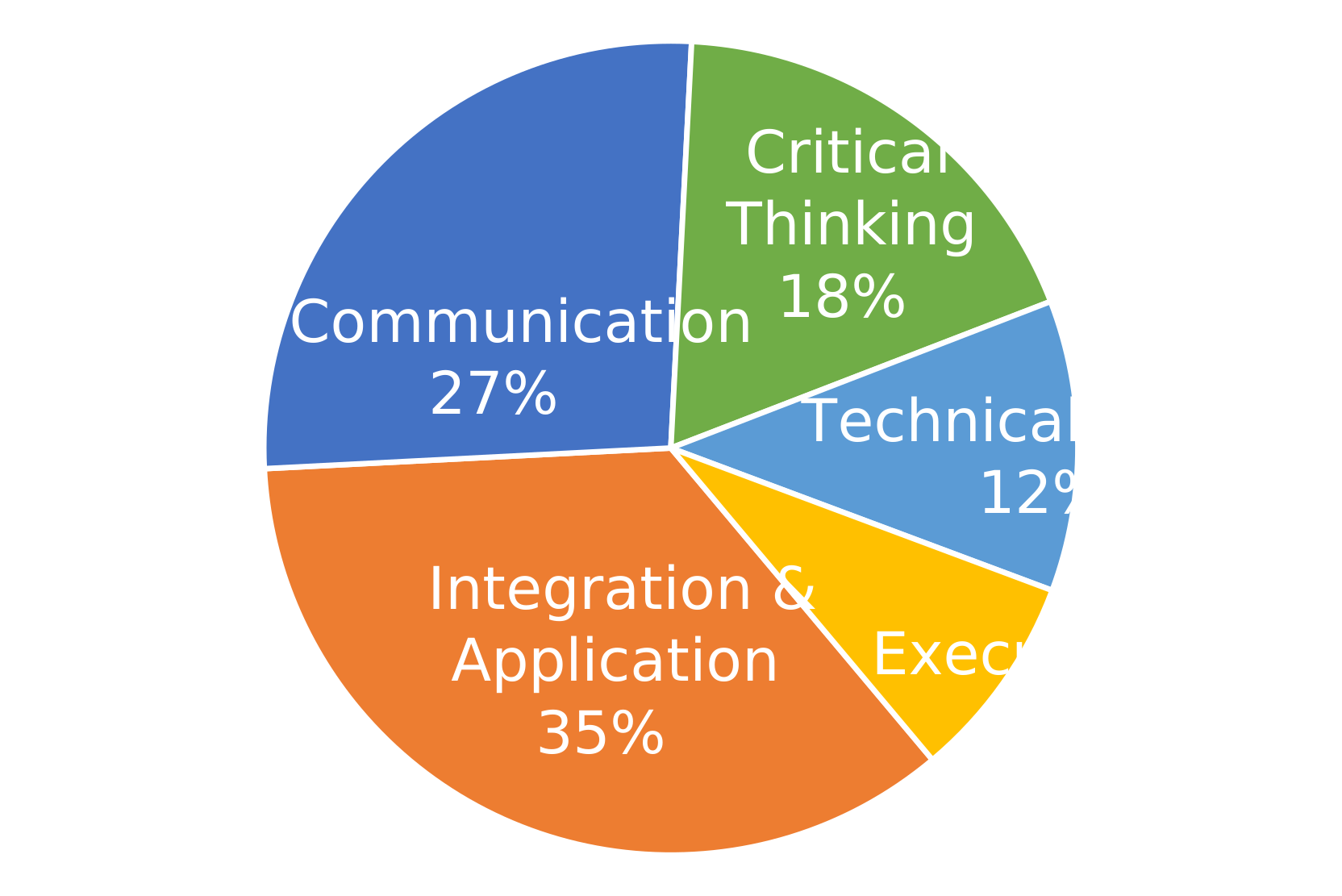
Consolidated fragmented program standards into coherent, universal skill map and content standards matrix, establishing consistent and transparent requirements for courses to pass review
All courses aligned with enterprise-wide learning goals, with learner progress assessed each course


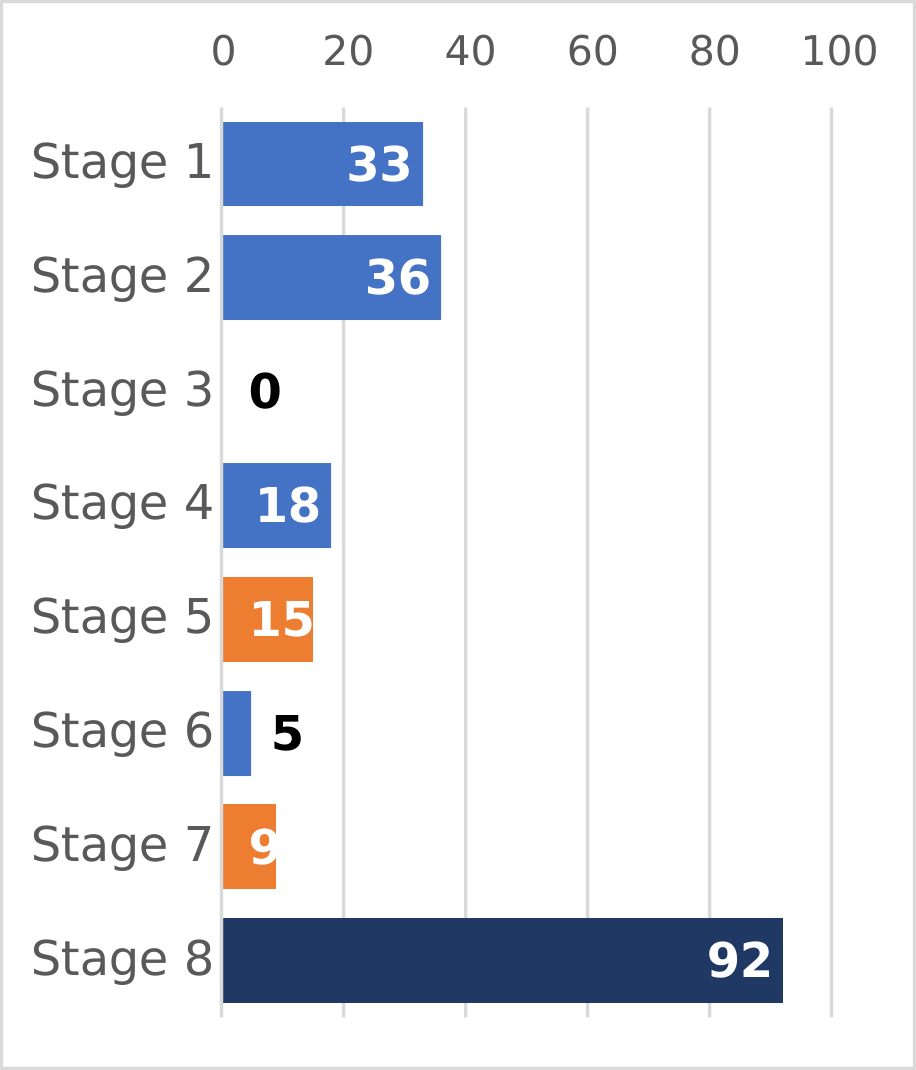
Multiple manual paper handoffs, zero visibility vs.
8-stage tracked digital pipeline, real-time status and accountability
The Impact
100% workflow transparency — real-time dashboards replaced manual status checks entirely
~200 proposals tracked through the pipeline, with approval velocities increasing over the project
15–20% reduction in redundant, legacy, or unaligned program offerings
Zero-friction regulatory review — passed external accreditation with no structural modifications required, the first time in institutional history